
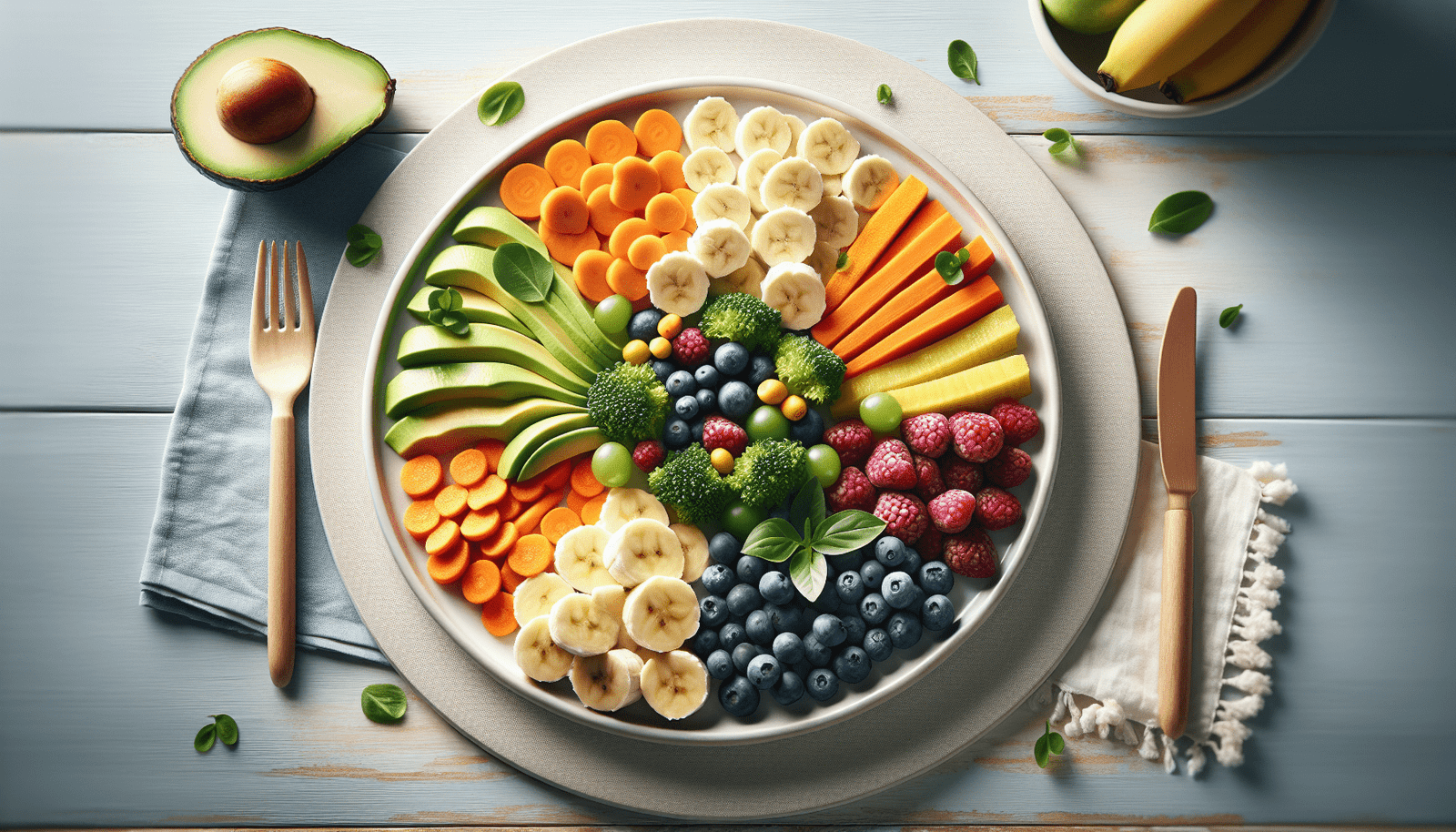
Have you ever wondered how to make mealtime more exciting for your little one during baby-led weaning? Introducing variety to your baby’s diet can be both fun and rewarding. Not only does it cater to their developing tastes, but it also ensures they receive a balanced mix of nutrients important for their growth.
Understanding Baby-Led Weaning
At its core, baby-led weaning (BLW) is about allowing your child to self-feed from the start. Instead of pureed foods, you provide them with whole pieces of food, letting them explore textures and flavors at their own pace. This method encourages independence and helps develop fine motor skills.
Why Variety Matters
Offering a variety of foods is crucial during this early stage because:
- Nutritional Balance: Different foods provide different nutrients. A variety ensures your baby gets the vitamins and minerals they need for growth.
- Taste Development: Introducing various flavors from a young age helps develop a more diverse palate. This could lead your child to be less picky as they grow.
- Food Acceptance: When babies experience a wide range of flavors and textures, they are more likely to accept new foods in the future.
Starting Your Baby on a Varied Diet
When you start baby-led weaning, you might wonder where to begin in terms of variety. Here are some steps to guide you.
Choose Whole Foods
Opt for whole foods as your starting point. Fruits, vegetables, grains, and protein sources are excellent options. Try to select a rainbow of colors to make the meals more visually appealing.
Gradual Introduction of New Foods
It’s natural to feel overwhelmed by what you should offer your baby. A simple approach is to introduce one new food at a time. This allows you to monitor for any allergies and helps your baby to assimilate new flavors without being confused by too many tastes all at once.
Observe Your Baby’s Reactions
As you introduce new items, pay close attention to how your baby reacts. It can be helpful to note if they have any adverse reactions, such as rash or digestive upset. Being observant can help you identify which foods work and which ones may need to wait until later.
Sample Timeline
Below is a basic timeline to consider when introducing variety:
| Age (Months) | Suggested Foods | Notes |
|---|---|---|
| 6-7 | Soft vegetables, avocado, banana | Ensure foods are soft enough to mash |
| 8-9 | Cooked carrots, sweet potato, pear | Experiment with different textures |
| 10-12 | Quinoa, cooked beans, chicken | Introduce more proteins and grains |
| 12+ | More diverse proteins and grains | Continue exploring flavors and textures |
Different Food Groups and Varieties
To ensure a balanced diet, it’s essential to introduce a range of food groups. Here are some suggestions for each category.
Fruits
Fruits are colorful and full of vitamins. Here are some easy-to-handle options:
- Bananas: Soft, easy to grip, and naturally sweet.
- Avocados: Creamy texture and rich in healthy fats.
- Berries: Small and easy for babies to pick up; just slice larger berries in half.
- Peaches and Pears: Soft when ripe, these fruits are sweet and juicy.
Vegetables
Vegetables can sometimes be tricky, but many can be enjoyable for babies. Consider:
- Sweet Potatoes: Naturally sweet and very nutritious.
- Carrots: Steam to soften; their sweetness will appeal to your baby.
- Zucchini: Milder flavor, great for introducing new textures.
- Broccoli Florets: Offer steamed or boiled; they’re easy to hold.
Grains
Grains are essential for energy and can be offered in various forms:
- Soft Cooked Pasta: Try shapes like macaroni or fusilli, which are small and easy to handle.
- Oats: Cooked and served in a soft, chewy texture.
- Rice: Try stickier varieties to help your baby grasp them better.
- Quinoa: Packed with proteins; it can be served plain or with some puree.
Proteins
Protein sources will vary the flavors and support growth:
- Chicken: Slow-cooked and shredded or cut into soft strips.
- Fish: Flaky and soft varieties like salmon can be introduced carefully.
- Eggs: Scrambled eggs are easy for babies to manage, soft and nutritious.
- Beans: Soft-cooked and mashed beans can be a great source of protein.
Dairy
If your baby is ready for dairy, non-allergenic dairy can add flavors:
- Yogurt: Whole milk yogurt plain or mixed with fruits.
- Cheese: Soft, mild cheese can be offered in small pieces.
Creative Ways to Introduce Variety
Introducing different flavors doesn’t have to be tedious. Here are some creative ideas:
Themed Days
Why not have themed days where you focus on a specific type of food? For example:
- Italian Day: Introduce pasta, tomatoes, and cheese.
- Garden Day: Offer a variety of steamed vegetables.
- Fruity Day: Try out different fruits your baby can handle.
Cooking Together
When you’re preparing meals for your little one, involve them in the process. Let them be around while you chop vegetables or cook grains. This not only makes them more interested but also allows them to see where their food comes from.
Pairing Textures
As your baby becomes comfortable with various foods, consider creating mixes of soft and crispy textures. For example, serve a soft avocado slice alongside crunchy cucumber sticks. These contrast textures can make mealtime more exciting.
Addressing Common Concerns About Introducing Variety
You may have some hesitations during this process, and that’s perfectly normal! Here are answers to common concerns.
Allergies and Reactions
Introducing multiple foods can raise concerns about allergies. If a food seems sketchy, consider delaying its introduction until your baby is older. It’s especially common to wonder about nuts, eggs, or dairy. A general guideline is to introduce those allergenic foods after you’ve safely offered other simple foods without issues.
Picky Eating
It’s natural to worry that trying new foods will result in picky eating. The key is to stay patient and persistent. Children might refuse a new food up to 10 times before they accept it. Repeated exposure can go a long way!
Messiness
Mealtimes can be messy with baby-led weaning, but that’s part of the fun! Encourage your baby to self-feed, allowing them to explore their food. Use a high chair with easy-to-clean surfaces.
Tips for Success
To make your journey of introducing variety easier, here are some fantastic tips:
Meal Prep
Preparing several meals at once can help alleviate stress. You can batch-cook vegetables, grains, and proteins. Store them in individual containers for easy access.
Use Dips and Sauces
Creating dips or sauces can add exciting flavor to each meal. Consider yogurt-based dips or avocado sauce to make veggies more appealing.
Encourage Social Eating
Involve family mealtimes when possible. Showing your baby how fun it can be to eat among others is a powerful motivator.
Keep It Positive
Stay light-hearted during mealtimes. Create a pleasant atmosphere without pressure, ensuring your baby feels comfortable trying new foods.
Monitoring Progress
As your baby develops a taste for different foods, keep a journal of what they eat. Documenting their preferences can help you plan future meals and notice any recurring dislikes or allergies.
Recognizing Preferences
Over time, observe which foods your baby enjoys the most, and don’t hesitate to offer those more frequently. However, continue to introduce new foods alongside favorites to expand their palate gradually.
Conclusion
Introducing variety into your baby’s diet through baby-led weaning is a delightful adventure. With excitement and creativity, mealtime can become a cherished family moment. By focusing on whole foods, observing your baby’s reactions, and experimenting with different textures and flavors, you’ll help establish a positive relationship with food.
Enjoy this journey as your child discovers new tastes—at the very least, you might find some new favorites along the way!